


Build Trust & Define the Mission
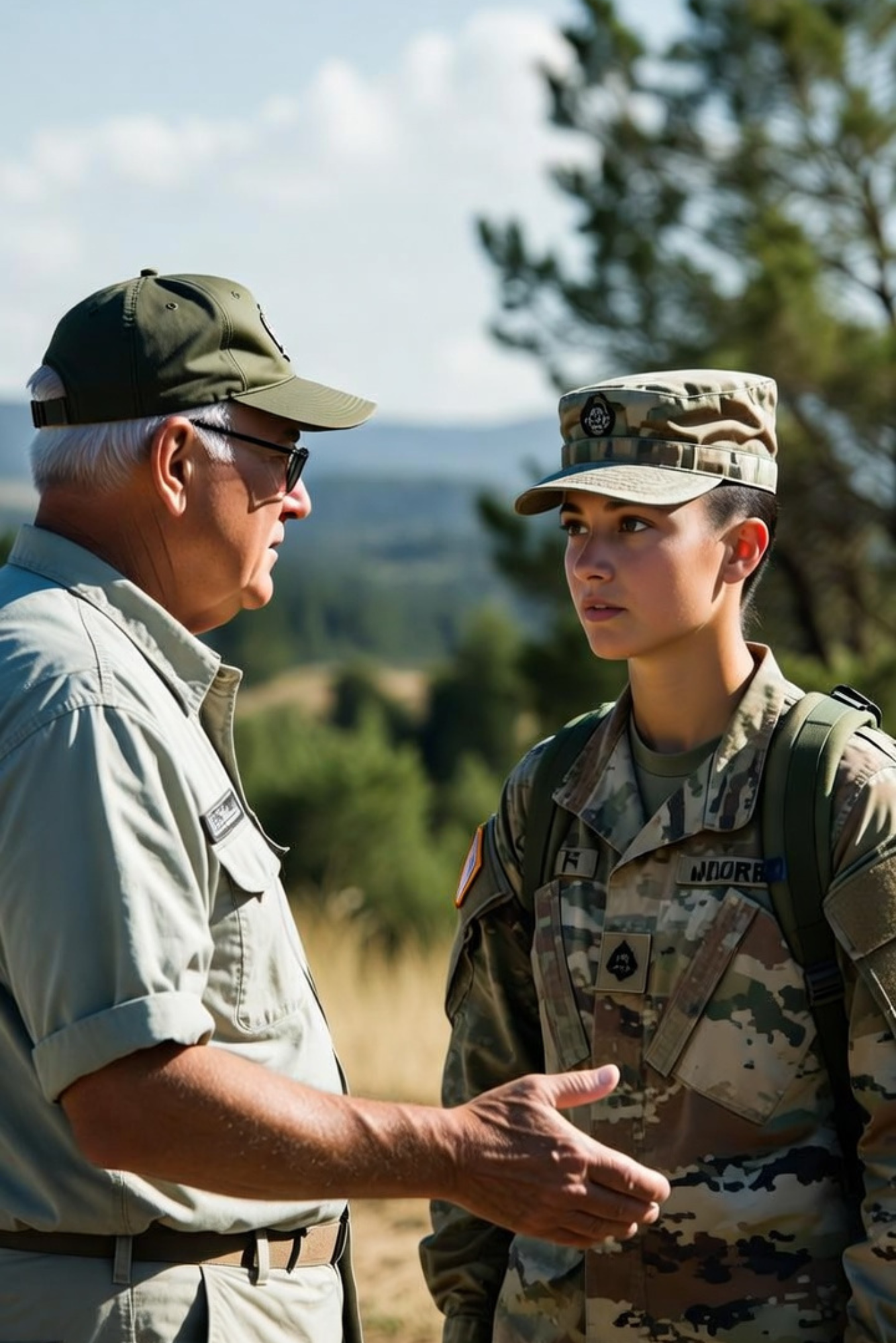
Successful mentoring relationships begin with clarity, trust, and shared expectations. In the Initiate phase, veterans are paired with experienced mentors who understand the transition from military service to civilian leadership. Together they establish rapport, align on objectives, and create the foundation for a productive mentoring relationship.
This phase focuses on defining goals, clarifying motivations, and preparing for the transition journey ahead. Veterans explore career interests, identify personal drivers, and begin building the confidence and readiness needed to move forward with purpose.

Translate Skills to Civilian Roles
Veterans possess deep leadership, operational, and problem-solving skills. However, translating those strengths into civilian language and opportunities can be challenging. In the Map phase, mentors help veterans reinterpret their experiences in ways that align with civilian career paths.
Through guided reflection and assessment, veterans gain a clearer understanding of their leadership capabilities, professional strengths, and potential career directions. This process helps connect military experience to real opportunities in the civilian workforce.

Build the Transition Strategy
With career options clarified, the Plan phase focuses on developing a structured strategy for entering the civilian workforce. Mentors work with veterans to define realistic goals and create a roadmap that aligns with their long-term ambitions.
Together they identify education pathways, refine professional narratives, and develop networking strategies that position veterans for success. By the end of this phase, veterans have a clear and actionable plan for pursuing meaningful civilian careers.

Execute the Transition Plan
The Action phase is where preparation turns into momentum. Veterans begin actively implementing their transition strategy through job search activities, leadership development opportunities, and professional networking.
With continued mentor guidance, veterans refine their approach, navigate challenges, and build confidence in their civilian identity. This stage emphasizes real-world experience, skill application, and tangible progress toward employment and leadership roles.

Strengthen Integration & Professional Growth
Transition does not end with the first civilian role. The Coordinate phase focuses on helping veterans successfully integrate into new professional environments and continue developing their leadership capabilities.
Mentors provide support as veterans navigate workplace dynamics, strengthen stakeholder relationships, and adapt their leadership style to civilian organizations. This stage reinforces long-term career momentum and sustained professional growth.

Achieve Independence & Pay It Forward
The final phase celebrates the veteran’s successful transition into civilian leadership. Veterans reflect on their journey, evaluate career milestones, and solidify their long-term development path.
Many participants choose to continue the cycle of mentorship by guiding other transitioning service members. This phase reinforces leadership legacy, community impact, and the ongoing strength of the mentoring network.


